


Blog
Can Spinal Decompression Help After Years of Chiropractic or Physical Therapy?

Many people in Cleveland spend years managing chronic back or neck pain through chiropractic care, massage, or physical therapy. These treatments can provide valuable short-term relief and improve mobility—but for some, the pain always comes back. If that sounds familiar, it might be because your spine’s underlying problem hasn’t been fully addressed: disc compression.
At Cleveland Disc Centers of America, Dr. Roger Huang offers an advanced, non-surgical solution called spinal decompression therapy. This treatment works differently from traditional care by targeting the source of chronic pain—the discs themselves—and helping them heal from the inside out.
Why Traditional Treatments Sometimes Fall Short
Chiropractic adjustments, physical therapy, and stretching can do wonders for improving movement, reducing muscle tightness, and promoting better posture. However, these therapies mainly focus on the joints, muscles, and alignment of the spine—not necessarily on repairing damaged or dehydrated discs.
When a spinal disc becomes compressed, bulges, or herniates, it loses its ability to absorb shock and maintain proper spacing between vertebrae. The result is constant pressure on spinal nerves, leading to pain, tingling, or numbness that radiates into the arms or legs.
Without addressing that compression, even the best adjustment or therapy can only offer temporary results. Once inflammation subsides, the pain often creeps back—because the mechanical problem inside the disc is still there.
The Missing Link: Disc Decompression and Rehydration
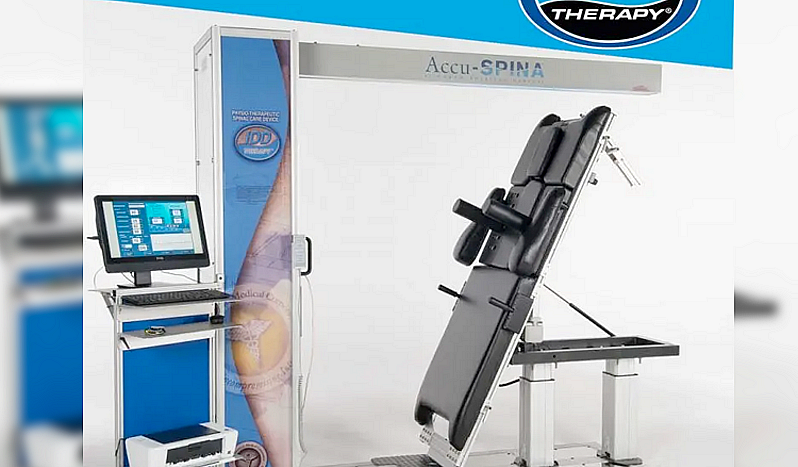
Spinal decompression therapy works at the root of the issue by gently stretching the spine in precise, controlled cycles. Using AccuSpina technology, Dr. Huang applies measured traction to create negative pressure inside the affected discs. This process helps draw fluid, oxygen, and nutrients back into the disc tissue—essentially rehydrating and rejuvenating it.
Over time, this rehydration process helps:
- Restore normal disc height and spacing
- Relieve pressure on spinal nerves
- Improve circulation and nutrient flow
- Reduce inflammation and stiffness
- Support long-term spinal balance
Decompression doesn’t manipulate or stretch the spine the same way traditional traction devices or chiropractic adjustments do—it uses advanced computer-controlled precision to isolate and treat individual discs safely and effectively.
When Chiropractic or Physical Therapy Isn’t Enough
Many patients turn to decompression after months or years of conventional care. They’ve done everything right—regular chiropractic visits, exercise, and stretching—but the pain never fully goes away. That’s usually a sign that the discs themselves need more targeted attention.
Here are a few indicators that decompression therapy might be the missing step:
- Your pain returns within days or weeks after chiropractic or therapy sessions.
- You experience numbness, tingling, or radiating pain into the arms or legs.
- Imaging has shown herniated or bulging discs.
- Medications or injections only provide temporary relief.
- You’ve been told surgery is the next step—but you’d rather avoid it.
In these cases, decompression can complement the progress you’ve already made with chiropractic or physical therapy and take your recovery further.
How Decompression Complements Other Treatments
Decompression doesn’t replace chiropractic or physical therapy—it enhances their benefits. By addressing disc compression, decompression helps other treatments work more effectively and last longer.
For example:
- After chiropractic care: Once the spine is realigned, decompression helps stabilize and maintain that alignment by relieving pressure within the discs.
- After physical therapy: Strengthened muscles now support a healthier, better-spaced spine, improving posture and reducing re-injury risk.
- After massage or stretching: Relaxed muscles make decompression sessions more comfortable and effective.
When used together, these therapies form a powerful, multi-layered approach to spinal healing—combining symptom relief with deep structural correction.
Why Decompression Therapy Works Long-Term
Decompression is unique because it helps the spine restore itself naturally. As discs rehydrate, they regain flexibility, cushioning, and the ability to distribute weight evenly. This improved function means less wear and tear on surrounding joints and muscles—and fewer flare-ups over time.
In addition to pain relief, patients often experience:
- Improved posture and range of motion
- Better balance and stability
- Enhanced energy and endurance throughout the day
- Reduced dependence on medication or frequent visits for pain management
Unlike treatments that provide short bursts of relief, decompression promotes long-term healing by restoring the disc’s natural environment.
The AccuSpina Advantage
At Cleveland Disc Centers of America, Dr. Huang uses the AccuSpina system—an FDA-cleared decompression platform that adapts to each patient’s needs in real time. Advanced sensors ensure that traction is applied gently and precisely, avoiding the muscle tension that can limit older traction methods.
Each session typically lasts around 30 minutes, and there’s no recovery time required. Most patients describe the experience as relaxing and even restorative. Over a series of visits, the discs begin to rehydrate, inflammation subsides, and mobility improves significantly.
Who Benefits Most from Decompression After Long-Term Care
Decompression therapy is ideal for patients who:
- Have tried chiropractic or physical therapy without long-term success
- Are managing herniated, bulging, or degenerative discs
- Experience radiating nerve pain or sciatica
- Want a non-surgical, drug-free solution for chronic spinal issues
- Value a comprehensive, science-based approach to spinal recovery
Because decompression focuses on healing the discs, it’s a natural next step for anyone who’s made progress through traditional care but still struggles with recurring symptoms.
Building a Complete Spinal Wellness Plan
At Cleveland Disc Centers of America, decompression therapy is often part of a broader plan that includes core strengthening, posture correction, and education on spine-friendly habits. This integrative approach ensures that improvements from decompression are supported by lasting lifestyle changes.
Some simple at-home steps that can complement decompression therapy include:
- Staying hydrated to support disc health
- Using proper ergonomics when sitting or working
- Taking short movement breaks throughout the day
- Sleeping on a supportive mattress that keeps the spine aligned
These habits help maintain the benefits of decompression and protect your investment in spinal health.
Why Cleveland Disc Centers of America
Dr. Roger Huang and his team are known throughout Cleveland for their dedication to helping patients find real, lasting relief from chronic back and neck pain. With advanced technology, personalized care, and a deep understanding of spinal biomechanics, the team delivers results that go beyond temporary symptom management.
- Customized decompression treatment plans
- FDA-cleared AccuSpina technology
- Comfortable, private, non-invasive treatments
- Comprehensive guidance for long-term spine health
Is It Time to Try Something Different?
If you’ve worked hard on your recovery through chiropractic or physical therapy but still experience pain, don’t lose hope. Spinal decompression therapy could be the missing step that finally brings everything together—addressing the root cause of your discomfort and helping your body heal naturally.
Schedule your consultation today at Cleveland Disc Centers of America to see if decompression therapy can take your recovery to the next level.
For more insights on spinal health and non-surgical recovery options, explore our blog.
‹ Back





 2794 Som Center Road