


Blog
How Stress and Tension Worsen Disc Pain — and How Decompression Reverses It

Stress doesn’t just live in the mind—it lives in the body. When daily tension builds up, it often shows up as tight shoulders, a stiff neck, or low back pain. For some, that stress-related tension becomes a constant force pulling on the spine, increasing pressure on discs and nerves. Over time, this pressure can turn into chronic pain, disc degeneration, or even nerve compression.
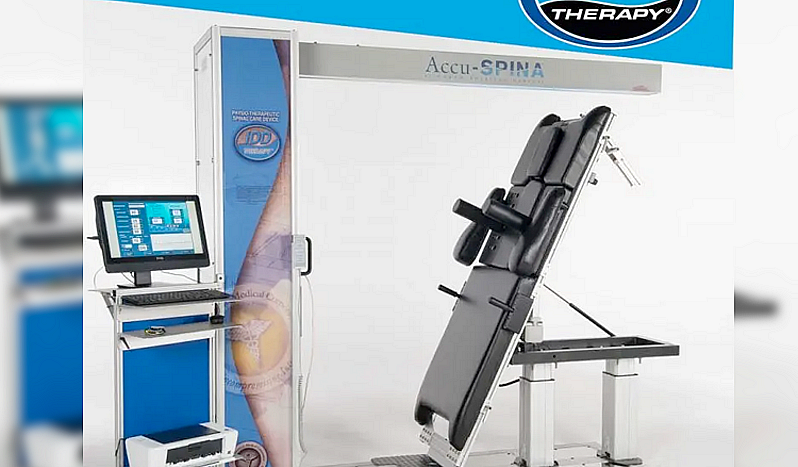
At Cleveland Disc Centers of America, Dr. Roger Huang and his team help patients break this cycle through AccuSpina spinal decompression therapy—a gentle, non-surgical treatment that relieves pressure on the spine, calms overworked muscles, and helps the body return to balance naturally.
The Link Between Stress and Disc Pain
When you’re under stress, your body releases hormones like cortisol and adrenaline. These chemicals prepare you for “fight or flight,” tightening muscles and increasing tension throughout your body—especially around your spine and shoulders. While this reaction is helpful in short bursts, chronic stress keeps muscles contracted for long periods, reducing circulation and increasing spinal pressure.
Over time, that constant muscle tightness can:
- Pull vertebrae out of proper alignment
- Increase pressure on spinal discs
- Limit oxygen and nutrient flow to spinal tissues
- Compress nerves, causing radiating pain or numbness
The result? Persistent back or neck pain that doesn’t respond well to rest, stretching, or over-the-counter medications—because the underlying issue isn’t just physical strain, it’s the combined effect of stress, tension, and compression.
How Disc Compression Happens Under Stress
Spinal discs act like shock absorbers between vertebrae, allowing the spine to move freely while protecting nerves. When stress-induced muscle tension tightens around the spine, it restricts movement and increases compression. The discs lose hydration and flexibility, becoming more vulnerable to bulging, herniation, or degeneration.
Imagine squeezing a sponge repeatedly without letting it soak in water—it dries out and loses its shape. The same happens to spinal discs when chronic tension keeps the spine under pressure. Without proper movement and hydration, discs weaken and nerves become irritated, leading to chronic pain.
Why Traditional Stress Relief Isn’t Enough
While massages, stretching, or meditation can help relax the body, they don’t address the structural compression inside the spine. Even if muscles temporarily loosen, the discs remain dehydrated and the nerves stay irritated if spinal pressure isn’t corrected.
That’s where spinal decompression therapy makes a powerful difference—it doesn’t just relax muscles; it relieves the source of their tension.
How Decompression Reverses the Effects of Stress on the Spine
Spinal decompression therapy uses the FDA-cleared AccuSpina system to gently stretch and relax the spine through precise, computer-guided cycles. This motion creates negative intradiscal pressure, or a vacuum effect, inside the discs.
That process helps the spine in several key ways:
- Draws in hydration and nutrients: Restores fluid flow to dehydrated discs.
- Releases nerve compression: Reduces pressure on pinched or inflamed nerves.
- Relieves muscle guarding: Encourages tight muscles to relax naturally as tension decreases.
- Restores normal spinal motion: Frees the spine from the rigidity caused by chronic stress.
As the discs rehydrate and muscles relax, the nervous system itself begins to calm down. Patients often report not only reduced pain, but also a deep sense of relaxation and mental clarity after each session.
Decompression Therapy and the Mind-Body Connection
When the spine is under stress, so is the nervous system. Constant pain signals reinforce anxiety and muscle tension, creating a vicious cycle. Decompression therapy helps interrupt that loop by physically relieving pressure on nerves and improving circulation throughout the spine.
Once that compression is released, the body can shift from a state of stress (“fight or flight”) into a state of healing (“rest and repair”). This not only reduces pain but also promotes better sleep, digestion, and energy—all of which are essential for long-term health and stress management.
How Cleveland Disc Centers of America Uses Decompression for Stress-Related Pain
At Cleveland Disc Centers of America, Dr. Huang takes a whole-body approach to spinal health. Each decompression plan is customized to the patient’s condition, goals, and lifestyle. For those whose pain is linked to chronic stress or tension, treatment focuses on restoring balance—both structurally and neurologically.
During each session, the AccuSpina system gently applies traction to targeted spinal segments while sensors monitor resistance and relaxation in real time. This ensures safe, effective decompression without triggering muscle guarding or discomfort. Over several weeks, patients experience:
- Reduced tightness in the neck, shoulders, and lower back
- Improved mobility and posture
- Decreased nerve-related pain or tingling
- Lower overall stress levels and better focus
Because decompression therapy is non-invasive, there’s no recovery time—making it easy for busy Cleveland professionals to fit into their schedules.
Complementary Strategies for Lasting Relief
While decompression therapy addresses the structural causes of disc pain, combining it with lifestyle changes enhances long-term results. Dr. Huang often recommends simple, sustainable practices that help keep stress and tension from returning:
- Daily movement: Gentle stretching, walking, or yoga keeps circulation flowing and prevents stiffness.
- Proper posture: Maintaining spinal alignment throughout the workday reduces disc pressure.
- Breathing exercises: Deep breathing helps relax muscles and lower cortisol levels.
- Hydration and nutrition: Staying hydrated supports disc health and tissue repair.
- Mindfulness or meditation: Encourages calm, focus, and reduced muscle tension.
Combining these habits with decompression therapy helps maintain spinal balance, minimize future pain, and improve overall well-being.
The Difference at Cleveland Disc Centers of America
Dr. Roger Huang and his team are known throughout Cleveland for their personalized, evidence-based approach to spine care. Their focus is not just on temporary relief but on helping patients achieve long-term healing—physically, mentally, and emotionally.
- Customized decompression treatment plans
- FDA-cleared AccuSpina technology
- Comfortable, relaxing, and non-surgical sessions
- Focus on patient education and stress reduction
Patients are guided through each phase of their recovery with care and clarity, ensuring they understand how to protect and maintain their spine well into the future.
Restoring Calm, Balance, and Relief
Stress and spinal pain often feed each other, creating a loop that’s difficult to break. Spinal decompression therapy offers a proven way to interrupt that cycle—helping the spine heal while calming the body’s stress response.
If daily tension, tightness, or chronic pain are weighing you down, now is the time to take a natural step toward relief.
Schedule your consultation today at Cleveland Disc Centers of America and discover how decompression therapy can help release tension, restore balance, and renew your spinal health—naturally and non-surgically.
For more educational articles on spine care, stress management, and natural healing, visit our blog.
‹ Back




 2794 Som Center Road