


Blog
Disc Pain vs. Muscle Pain: How to Tell the Difference Before It Gets Worse

Back pain is one of the most common reasons people in Cleveland visit a doctor or chiropractor—but not all back pain is the same. Some pain stems from tight or strained muscles, while other cases originate from deeper spinal issues, like disc compression or nerve irritation. Knowing which type you’re dealing with can make the difference between quick relief and long-term problems.
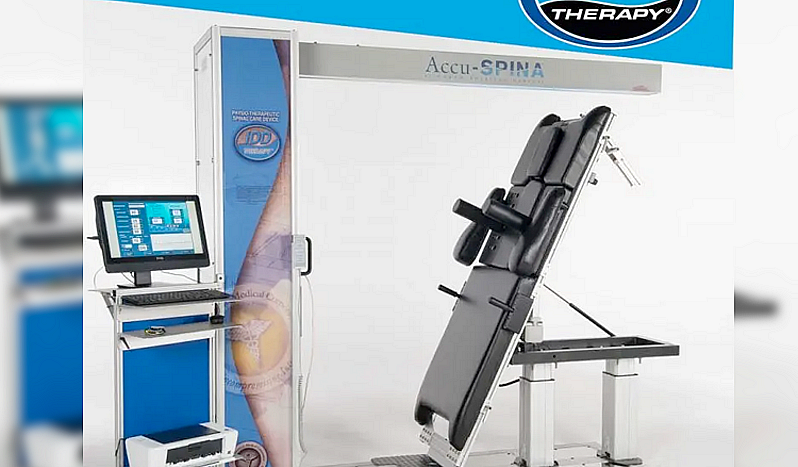
At Cleveland Disc Centers of America, Dr. Roger Huang helps patients identify the root cause of their discomfort and treat it with precision. Through advanced AccuSpina spinal decompression therapy, his team targets disc-related pain at its source—helping patients recover naturally without surgery or medication.
Why It’s Important to Know the Difference
Muscle pain and disc pain can feel similar at first—dull, aching, or radiating discomfort in the back or neck. However, the causes and long-term effects are completely different. Treating a disc issue like a muscle strain can delay healing, while ignoring muscle tension can contribute to recurring strain or postural problems.
Understanding which type of pain you’re dealing with helps you make the right treatment choice before the condition worsens or becomes chronic.
What Causes Muscle Pain?
Muscle-related back pain, also known as myofascial pain, usually stems from overuse, strain, or poor posture. Common triggers include:
- Lifting something heavy without proper form
- Sudden twisting or bending
- Prolonged sitting or standing in poor posture
- Stress-related tension that keeps muscles tight
When muscles are strained or overworked, microscopic tears develop in the fibers. This leads to soreness, stiffness, and sometimes localized swelling. The pain typically stays in one area and worsens with movement but improves with rest, stretching, or gentle heat.
What Causes Disc Pain?
Disc pain, on the other hand, originates deeper within the spine. Spinal discs are the soft, cushion-like pads that sit between your vertebrae, allowing flexibility and shock absorption. When a disc becomes compressed, bulges, or herniates, it can press against nearby nerves, leading to sharp, radiating, or tingling pain.
Disc-related conditions often develop from:
- Repetitive compression or poor posture over time
- Heavy lifting or high-impact injuries
- Disc dehydration or degeneration with age
- Sudden trauma or twisting motion
Because the pain stems from nerve irritation, it’s usually more intense and widespread than muscular pain—and won’t resolve through stretching or rest alone.
Key Differences Between Disc and Muscle Pain
Here’s how to tell whether your pain may be muscle-related or disc-related:
| Symptom | Muscle Pain | Disc Pain |
|---|---|---|
| Type of Pain | Dull, achy, localized soreness | Sharp, shooting, or radiating pain |
| Location | Typically stays in one area (upper, mid, or lower back) | May travel down arms, legs, or buttocks |
| Triggers | Movement, lifting, or overuse | Bending, sitting, coughing, or sneezing |
| Response to Rest | Improves with rest and heat | May worsen when sitting or lying flat |
| Other Sensations | Muscle tightness or knots | Numbness, tingling, or weakness in limbs |
If your symptoms include nerve-related sensations like tingling, numbness, or radiating pain, it’s likely a disc or nerve issue rather than a muscle strain.
When Muscle Pain Becomes Chronic
While muscle pain typically resolves within a few days to weeks, chronic or recurring muscle tension can lead to deeper problems. Tight muscles can pull vertebrae out of alignment, placing more pressure on the discs. Over time, this can lead to disc bulging, nerve irritation, and eventually chronic back or neck pain.
That’s why Dr. Huang often treats both muscle and disc issues together—addressing the structural imbalances that cause pain in the first place.
How Spinal Decompression Helps Disc Pain
For patients suffering from disc-related pain, spinal decompression therapy offers a natural, non-surgical solution. Using AccuSpina technology, the treatment gently stretches the spine to relieve pressure on compressed discs and nerves. This process creates negative intradiscal pressure, drawing oxygen, water, and nutrients back into the disc to promote healing.
Decompression therapy helps:
- Rehydrate and repair damaged discs
- Reduce nerve irritation and inflammation
- Relieve radiating pain, numbness, and tingling
- Restore flexibility and spinal balance
Because decompression is computer-controlled and precisely targeted, it’s gentle enough for most patients—even those with chronic pain or past injuries.
When to Seek Help for Disc-Related Pain
If your back pain lasts more than a few weeks or begins radiating down your limbs, it’s important to get evaluated by a professional. Waiting too long can allow minor disc injuries to worsen into chronic herniations or degenerative changes.
You should seek evaluation at Cleveland Disc Centers of America if you experience:
- Pain that radiates into the arms, legs, or buttocks
- Numbness or tingling in the hands or feet
- Weakness when standing, walking, or gripping objects
- Back pain that worsens after sitting or bending forward
These are signs that disc pressure or nerve irritation may be contributing to your symptoms—and that spinal decompression therapy could help restore function before permanent damage occurs.
Why Cleveland Disc Centers of America
Dr. Roger Huang and his team are Cleveland’s trusted resource for non-surgical spine care and decompression therapy. Their focus is on identifying the root cause of your pain and developing personalized plans to correct it naturally—without drugs or invasive procedures.
- FDA-cleared AccuSpina decompression system
- Comprehensive evaluation and diagnostic imaging
- Comfortable, non-surgical sessions with no downtime
- Holistic approach to long-term spinal health
Patients throughout Northeast Ohio turn to Cleveland Disc Centers of America for lasting relief from chronic disc pain, sciatica, and spinal degeneration.
Get the Right Diagnosis and the Right Treatment
Not all back pain is created equal—but all of it deserves the right attention. Whether your pain is muscular or disc-related, early diagnosis and treatment are key to preventing it from getting worse.
If you’ve been dealing with back pain that won’t go away or keeps coming back, it’s time to find out what’s really causing it—and address it at the source.
Schedule your consultation today at Cleveland Disc Centers of America to find out if spinal decompression therapy is right for you.
To learn more about spinal health, recovery tips, and non-surgical care, visit our blog.
‹ Back




 2794 Som Center Road