


Blog
How Spinal Decompression Helps After Car Accidents and Whiplash Injuries

Even a minor car accident can cause major stress on the spine. The sudden force of a collision—especially from behind—can whip the head and neck forward and backward faster than the body can brace for impact. This motion, known as whiplash, often leads to disc compression, nerve irritation, and chronic pain that may not appear until days or weeks later.
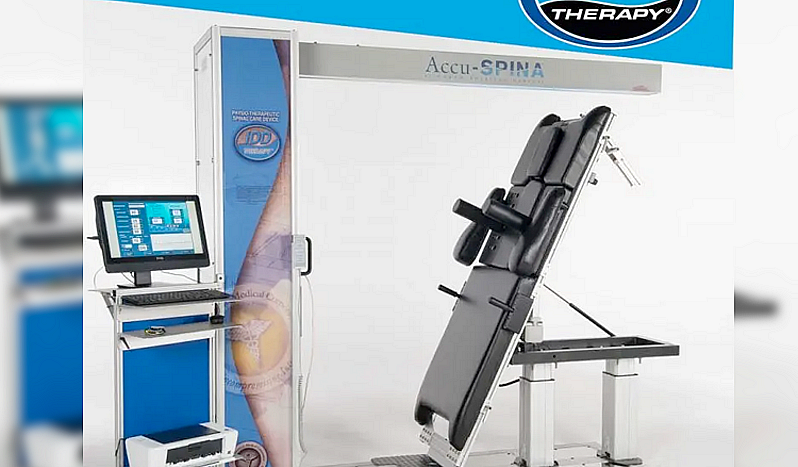
At Cleveland Disc Centers of America, Dr. Roger Huang helps patients recover from the long-term effects of auto injuries through advanced AccuSpina spinal decompression therapy. By relieving pressure on the spine and restoring alignment, decompression allows the body to heal naturally—without the need for pain medication or surgery.
Understanding Whiplash and Spinal Compression
Whiplash injuries occur when the neck is rapidly forced into extension and flexion, straining muscles, ligaments, and intervertebral discs. The impact can cause discs in the cervical (neck) and even upper thoracic (mid-back) spine to compress or bulge. When this happens, nerves that travel through the spinal column become irritated, resulting in pain that radiates into the shoulders, arms, or even hands.
Common symptoms of whiplash and post-accident disc injuries include:
- Neck pain and stiffness
- Headaches, often starting at the base of the skull
- Shoulder and upper back pain
- Numbness or tingling in the arms or fingers
- Dizziness or reduced range of motion
- Fatigue and difficulty concentrating
While traditional whiplash treatments like rest and anti-inflammatories can ease early discomfort, they often fail to address deeper structural damage—especially disc compression or nerve irritation that develops over time. That’s where spinal decompression therapy can make all the difference.
How Car Accidents Affect Spinal Discs
During a car accident, the sudden impact places tremendous stress on the spine’s shock-absorbing discs. These discs can shift, lose hydration, or develop small tears, which disrupt their ability to cushion the vertebrae properly. In many cases, this results in:
- Disc bulges or herniations: When the inner disc material pushes outward and presses on nearby nerves.
- Compressed vertebrae: The impact squeezes the discs, reducing space for the nerves to exit the spine.
- Inflammation and swelling: Fluid and tissue irritation increase pressure on already sensitive areas.
Left untreated, these issues can evolve into chronic conditions that make daily activities difficult and painful. This is why addressing spinal health early after a collision is so important.
What Spinal Decompression Does After an Accident
Non-surgical spinal decompression works by gently stretching the spine in controlled cycles. This process relieves pressure on compressed or herniated discs, allowing them to reposition and rehydrate. Using the AccuSpina system, Dr. Huang can precisely target the injured levels of the spine based on your specific symptoms and imaging results.
Each decompression session promotes:
- Disc rehydration: Negative pressure draws oxygen and nutrients back into the damaged disc tissue.
- Nerve decompression: Reduced pressure on nerve roots helps calm inflammation and pain signals.
- Restored mobility: As discs regain height, the spine’s natural range of motion improves.
- Healing environment: Proper spacing and circulation allow the body to repair soft tissue naturally.
Unlike traditional traction, AccuSpina decompression uses computer-controlled feedback to adjust tension throughout treatment. This ensures every session is safe, comfortable, and perfectly calibrated for your recovery.
Real Cleveland Patients See Real Recovery
Many of Dr. Huang’s patients at Cleveland Disc Centers of America come in weeks or months after an accident—still struggling with neck pain, headaches, or nerve irritation. Once they begin decompression therapy, most report significant improvement within the first few weeks.
Patients often describe decompression as “gentle but powerful.” The rhythmic stretching not only relieves pain but also promotes better blood flow and muscle relaxation, allowing the spine to reset and heal naturally. Over time, this helps restore confidence and physical function that may have been lost since the accident.
How Decompression Compares to Other Treatments
Post-accident recovery can involve a range of treatment options, from physical therapy to pain management injections. While these approaches can help manage symptoms, they don’t always resolve the structural issues behind persistent pain. Spinal decompression focuses on the mechanical correction of spinal alignment and disc integrity, making it an essential complement or alternative to traditional care.
| Treatment Type | Approach | Goal | Results |
|---|---|---|---|
| Pain Medication | Mask symptoms temporarily | Short-term relief | Does not address root cause |
| Physical Therapy | Strengthens muscles, improves flexibility | Supportive care | Helps, but may not decompress discs fully |
| Spinal Decompression | Relieves pressure and restores disc health | Addresses the root mechanical issue | Long-term pain reduction and spinal recovery |
Why Cleveland Patients Choose AccuSpina Decompression
The AccuSpina technology used at Cleveland Disc Centers of America offers a level of precision and comfort unmatched by older systems. It allows Dr. Huang to isolate specific spinal segments, apply controlled traction, and monitor your body’s real-time response for optimal healing. Each session lasts about 30 minutes and requires no recovery time—you can return to normal activities right after treatment.
For whiplash and car accident patients, this therapy can dramatically reduce chronic pain, stiffness, and nerve sensitivity without invasive procedures or drugs. It’s a proven, safe, and effective solution for restoring spinal health after trauma.
Healing Beyond the Physical
Car accidents often leave emotional scars too. The frustration of persistent pain or limited mobility can affect sleep, mood, and confidence. Many patients share that as their pain decreases through decompression, they feel mentally and emotionally lighter as well. Regaining freedom of movement helps restore the sense of control that injuries can take away.
When to Seek Spinal Care After an Accident
Even if you walked away from an accident feeling “fine,” it’s important to have your spine evaluated. Whiplash symptoms can take days or weeks to appear, and waiting too long can allow discs to deteriorate further. Early intervention with decompression therapy can prevent chronic pain from setting in and speed up recovery.
If you’re experiencing ongoing pain, stiffness, or tingling after a collision—whether recent or years ago—there’s still hope. Many Cleveland patients find lasting relief after decompression, even when other treatments have failed.
Start Your Recovery Journey Today
You don’t have to live with post-accident pain. With gentle, targeted spinal decompression, you can relieve nerve pressure, restore movement, and feel like yourself again—naturally and safely.
Schedule your consultation today at Cleveland Disc Centers of America and learn how Dr. Roger Huang and his team can help you heal from car accident injuries, whiplash, and chronic neck or back pain.
For more articles on spinal recovery, decompression technology, and patient success stories, visit our blog.
‹ Back





 2794 Som Center Road