


Blog
Rehydrating Your Discs: The Science Behind How Decompression Restores Spine Health
Most people understand that hydration is important for their overall health—but few realize it’s just as vital for their spine. Your spinal discs depend on fluid to stay strong, flexible, and functional. When they lose hydration, they begin to collapse, leading to stiffness, nerve compression, and pain.
At Cleveland Disc Centers of America, Dr. Roger Huang helps patients restore their spinal health using AccuSpina spinal decompression therapy. This advanced, non-surgical treatment gently rehydrates discs, helping the spine heal naturally from years of stress and compression.
Understanding the Role of Spinal Discs
Your spine is made up of 24 vertebrae separated by soft, cushion-like discs. Each disc contains a gel-like center (the nucleus pulposus) surrounded by a tough outer layer (the annulus fibrosus). These discs absorb shock, support flexibility, and maintain proper spacing between vertebrae so nerves can move freely.
When the discs are healthy and hydrated, they act like small, springy water balloons—flexible, resilient, and protective. But when they begin to lose moisture and nutrients, they flatten and become brittle. This process, known as disc dehydration or degeneration, is one of the leading causes of chronic back and neck pain in adults.
What Causes Disc Dehydration?
Disc dehydration can result from many lifestyle and mechanical factors, including:
- Sedentary lifestyle: Sitting for long periods reduces spinal motion and limits nutrient flow to the discs.
- Poor posture: Forward head position and slouching increase disc pressure, forcing out essential fluids.
- Aging: As we age, our discs lose their ability to retain water, leading to thinning and stiffness.
- Repetitive strain or injury: Heavy lifting, twisting, or trauma can damage the outer disc layers and reduce hydration.
- Lack of circulation: Since discs don’t have a direct blood supply, they rely on movement and pressure changes to “pump” nutrients in and waste out.
Over time, dehydrated discs can compress spinal nerves, leading to symptoms like pain, tingling, numbness, and reduced mobility. That’s where decompression therapy comes in—by restoring the spine’s natural environment, it helps rehydrate and rejuvenate the discs.
The Science Behind Spinal Decompression and Disc Rehydration
Spinal decompression therapy works by gently stretching the spine in controlled cycles, using advanced technology like the AccuSpina system. This process creates negative intradiscal pressure—a vacuum effect inside the affected discs.
That negative pressure does two key things:
- Draws in fluids: Water, oxygen, and essential nutrients flow back into the disc, restoring hydration and volume.
- Reduces disc bulging: The inner material of herniated or bulging discs is gently pulled back toward its normal position, relieving pressure on nerves.
By promoting this controlled rehydration, decompression therapy helps the spine heal at a cellular level. As discs regain their height and flexibility, surrounding tissues also experience reduced inflammation and improved mobility.
How Disc Rehydration Improves Spinal Function
When spinal discs rehydrate, they regain their natural shock-absorbing function. This improves not only comfort but also the way the spine moves and carries weight. Healthy discs maintain space between vertebrae, ensuring nerves remain free from compression and that movement feels smooth instead of stiff or painful.
Restoring hydration also allows discs to perform better under everyday stress. Whether you’re sitting, lifting, or exercising, hydrated discs distribute pressure more evenly—helping prevent future injury and degeneration.
Why Traditional Treatments Don’t Restore Disc Health
Most conventional treatments for back or neck pain—like painkillers, injections, or general stretching—focus on symptom management. While they may temporarily reduce inflammation or tightness, they don’t correct the underlying disc dehydration or compression that caused the pain in the first place.
That’s why many Cleveland patients turn to decompression therapy after months or even years of recurring discomfort. Instead of masking pain, decompression therapy treats the structural cause—giving the spine a chance to heal itself.
The AccuSpina Difference
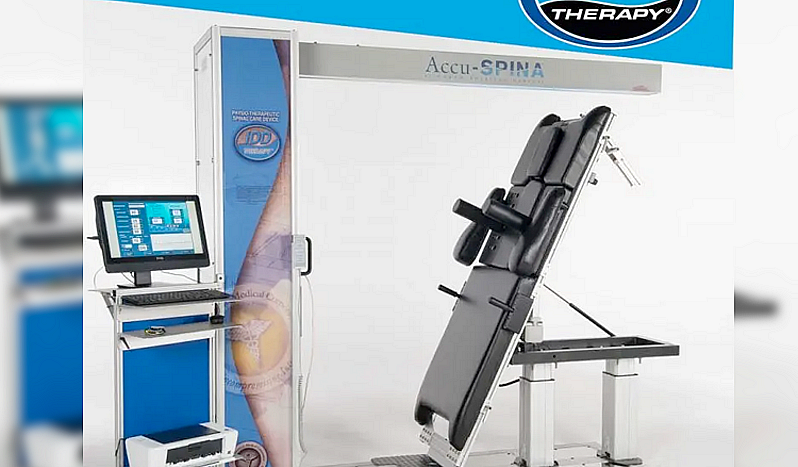
At Cleveland Disc Centers of America, Dr. Huang uses the AccuSpina decompression system—a next-generation technology that allows precise, real-time adjustments based on the patient’s response. This ensures each session is safe, comfortable, and targeted exactly where it’s needed most.
Each treatment lasts about 30 minutes, during which the spine is gently stretched and released in rhythmic cycles. These movements stimulate fluid exchange within the discs, helping to reverse years of dehydration and wear.
Unlike older traction devices, AccuSpina uses computerized feedback to avoid muscle guarding (when muscles tighten to resist movement), allowing deeper, more effective decompression.
What Cleveland Patients Can Expect During Recovery
Most patients begin to notice improvement after several sessions as their discs regain flexibility and nerve pressure decreases. They often report:
- Less stiffness and improved movement
- Decreased pain or numbness in the arms and legs
- Better posture and comfort during daily activities
- Increased energy and confidence to move freely again
Because decompression therapy is non-invasive, there’s no downtime—making it ideal for busy Cleveland professionals and active adults who want results without surgery or medication.
How Rehydration Prevents Future Disc Damage
One of the most valuable benefits of decompression therapy is its ability to protect your spine for the future. Once discs regain hydration and spacing, the entire spinal column functions more efficiently. This prevents further degeneration and reduces the likelihood of recurring flare-ups.
Dr. Huang often recommends maintenance decompression sessions along with lifestyle adjustments like posture training, core strengthening, and proper hydration habits. Together, these steps form a long-term plan for spinal health and resilience.
Key Benefits of Decompression-Focused Disc Rehydration
- Restores flexibility: Hydrated discs allow for smoother, more comfortable movement.
- Improves shock absorption: Healthy discs better protect the spine from daily impact.
- Reduces nerve irritation: Rehydrated discs create more space, decreasing inflammation and pain.
- Supports long-term spine strength: Regular decompression encourages lasting balance and mobility.
Why Choose Cleveland Disc Centers of America
Dr. Roger Huang and his team are committed to helping patients in Cleveland and Northeast Ohio find lasting relief through advanced, non-surgical spinal care. Their approach combines science, technology, and personalized care to restore spinal health naturally.
- FDA-cleared AccuSpina technology
- Customized decompression plans for each spinal condition
- Evidence-based focus on rehydration and tissue healing
- Patient-centered care in a comfortable setting
Every treatment plan begins with a detailed consultation and imaging review to ensure decompression is appropriate and effective for your unique spinal condition.
Start Rehydrating Your Spine Today
Spinal pain often begins with dehydration—and it can end with rehydration. Spinal decompression therapy offers a proven, science-backed way to restore disc health, reduce pain, and protect your spine for the future.
Schedule your consultation today at Cleveland Disc Centers of America and discover how decompression therapy can help rehydrate your discs, restore balance, and renew your spinal health—naturally.
For more educational articles and spinal health resources, visit our blog.
‹ Back





 2794 Som Center Road