


Blog
Why Early Decompression Treatment Prevents Chronic Spine Degeneration
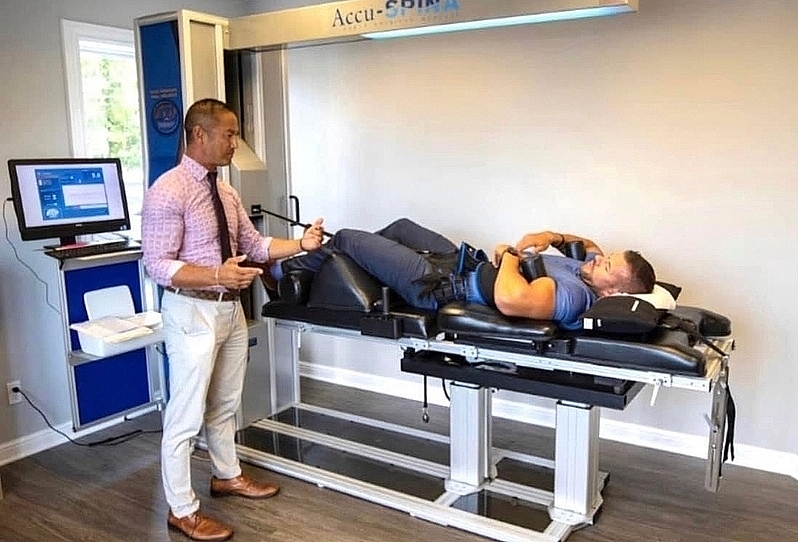
Most people think of back pain as something that just “comes with age.” But in reality, many cases of chronic spinal degeneration begin years earlier—and could have been prevented. The slow, silent breakdown of spinal discs and joints often starts long before pain becomes noticeable, and by the time symptoms appear, significant wear may have already occurred.
At Cleveland Disc Centers of America, Dr. Roger Huang helps patients stop this process before it becomes irreversible. Through advanced AccuSpina spinal decompression therapy, he helps restore proper spinal alignment, relieve pressure on discs and nerves, and support long-term spinal health—without surgery or medication.
Understanding Chronic Spine Degeneration
Spine degeneration refers to the gradual deterioration of the spinal discs, joints, and surrounding tissues. These structures are essential for flexibility, movement, and shock absorption. Over time, stress, poor posture, repetitive strain, or injury can cause discs to lose hydration and height. This not only compresses nearby nerves but also leads to stiffness and inflammation in the spine.
Common stages of spinal degeneration include:
- Disc dehydration: Loss of water and nutrients causes discs to shrink and stiffen.
- Bulging or herniation: Pressure forces weakened disc material outward, irritating spinal nerves.
- Joint stress: Reduced disc height increases friction in spinal joints (facets), leading to inflammation and arthritis.
- Nerve compression: Narrowed disc space (stenosis) puts pressure on spinal nerves, causing pain, tingling, or numbness.
- Chronic degeneration: Over time, the entire spinal structure becomes misaligned and less flexible, limiting movement and quality of life.
These changes don’t happen overnight—they’re the result of years of compression and imbalance. That’s why early intervention is so critical.
Why Waiting Makes Degeneration Worse
Once discs begin to lose hydration and height, the process is difficult to reverse. The less space there is between vertebrae, the more strain is placed on surrounding joints and ligaments. This mechanical stress accelerates wear, leading to pain that spreads beyond the original problem area.
Many patients wait until pain becomes severe before seeking help, only to find that their discs are already significantly damaged. At that stage, treatment becomes more complex, and options may be limited.
Addressing spinal compression early helps prevent this downward spiral—keeping discs healthy, joints aligned, and nerves free from irritation before degeneration sets in.
The Role of Spinal Decompression in Prevention
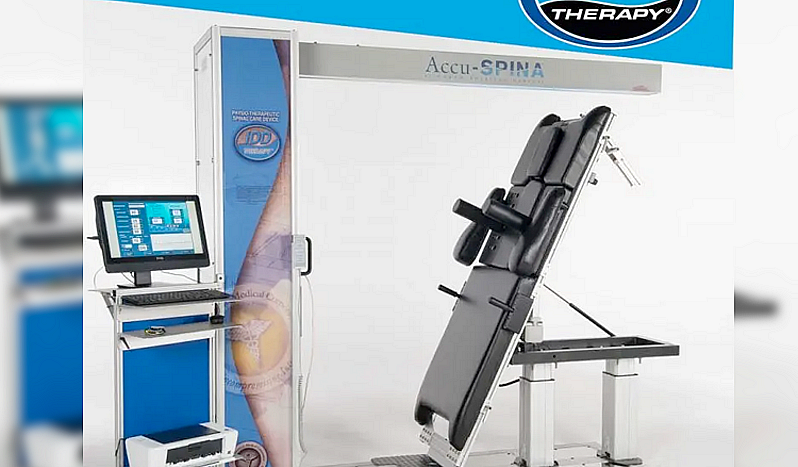
Spinal decompression therapy is one of the most effective non-surgical ways to maintain disc health and prevent chronic degeneration. Using the AccuSpina decompression system, Dr. Huang performs gentle, computer-guided traction that stretches the spine in controlled cycles.
This process creates negative intradiscal pressure—a vacuum effect that allows oxygen, water, and essential nutrients to flow back into the discs. Over time, this rehydration restores flexibility, maintains spacing between vertebrae, and relieves pressure on nerves and joints.
By restoring normal disc function early, decompression therapy helps stop—or even reverse—the progression of spinal wear before it turns into chronic degeneration.
How Early Decompression Therapy Protects the Spine
Decompression therapy doesn’t just relieve pain; it corrects the underlying forces that cause degeneration. Here’s how early treatment helps preserve long-term spinal health:
- Restores hydration: Rehydrated discs regain their shock-absorbing function, reducing future damage.
- Improves posture and alignment: Decompression balances spinal mechanics, minimizing uneven wear.
- Reduces nerve irritation: Relieving pressure prevents nerve inflammation and related pain.
- Enhances circulation: Increased fluid flow brings healing nutrients to spinal tissues.
- Prevents arthritis and joint damage: Maintaining disc height reduces stress on facet joints.
By improving both structure and function, decompression sets the stage for long-term spinal stability and mobility.
Signs You Shouldn’t Wait to Start Decompression
You don’t need to be in severe pain to benefit from spinal decompression. In fact, early-stage symptoms often signal that it’s time to act. Warning signs of developing spinal compression include:
- Intermittent lower back or neck stiffness
- Occasional numbness or tingling in the hands, arms, or legs
- Back pain after sitting or standing for long periods
- Reduced flexibility or movement in the spine
- Pain that worsens after exercise or physical activity
These subtle symptoms often appear years before full degeneration develops. Addressing them early with decompression therapy helps prevent more serious conditions from forming.
The Science of Spinal Rehydration
One of the biggest reasons decompression works so well for prevention is its ability to rehydrate the discs. Since spinal discs don’t have a direct blood supply, they rely on pressure changes to “pump” nutrients in and waste out. When the spine is chronically compressed, that pump mechanism shuts down, starving the discs of essential hydration.
By gently stretching the spine, decompression therapy restores that movement, allowing fluid exchange to resume. This not only nourishes the discs but also helps flush out inflammatory byproducts that contribute to pain and stiffness. Over time, the discs regain flexibility and resilience—reducing the risk of degeneration and herniation.
Why Early Treatment Means Better Long-Term Outcomes
Patients who begin decompression therapy before degeneration becomes advanced typically experience faster recovery, greater mobility, and better outcomes overall. Early intervention helps maintain spinal alignment, preserves disc height, and minimizes the likelihood of chronic pain conditions in the future.
As with most health issues, prevention is easier—and more effective—than correction. Treating minor spinal compression early can save years of discomfort, doctor visits, and potential surgical procedures later on.
Why Cleveland Disc Centers of America
Dr. Roger Huang and his team at Cleveland Disc Centers of America have helped countless Cleveland-area patients restore and maintain spinal health through customized, non-surgical care. Their approach focuses on treating the root cause of spinal problems—not just managing pain.
- FDA-cleared AccuSpina decompression technology
- Personalized treatment plans for every spinal condition
- Comfortable, relaxing sessions with no downtime
- Education on posture, movement, and spinal maintenance
By combining cutting-edge technology with individualized care, Cleveland Disc Centers of America helps patients stay mobile, strong, and pain-free long into the future.
Take Action Before Pain Becomes Permanent
Spinal degeneration doesn’t happen overnight—and neither does recovery. The sooner you address spinal compression, the easier it is to stop damage in its tracks and protect your long-term health. Spinal decompression therapy gives your spine the space, hydration, and balance it needs to stay strong and pain-free for years to come.
Schedule your consultation today at Cleveland Disc Centers of America and take the first step toward preventing chronic spine degeneration through safe, effective, and non-surgical decompression therapy.
For more articles on spinal health, injury prevention, and non-surgical recovery, visit our blog.
‹ Back





 2794 Som Center Road