


Blog
Why Failed Back Surgery Doesn’t Mean the End of Hope — Decompression Could Help
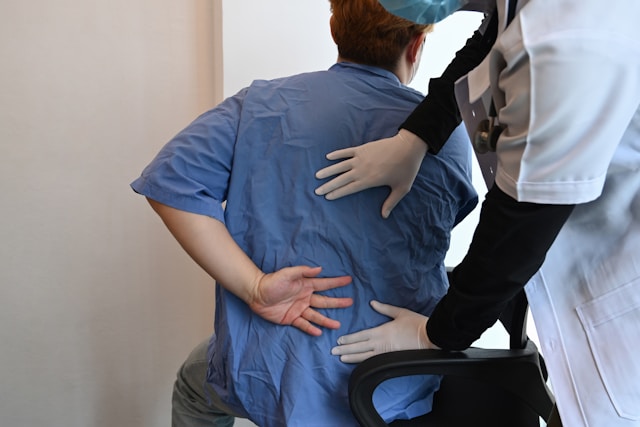
Back surgery is often seen as a last resort—a way to finally end years of pain. But for some patients, the results aren’t what they hoped for. Even after procedures like spinal fusion, laminectomy, or discectomy, pain can persist or even worsen over time. If you’ve been told you have Failed Back Surgery Syndrome (FBSS), it’s easy to feel discouraged. The good news is that surgery isn’t the end of the road for your recovery.
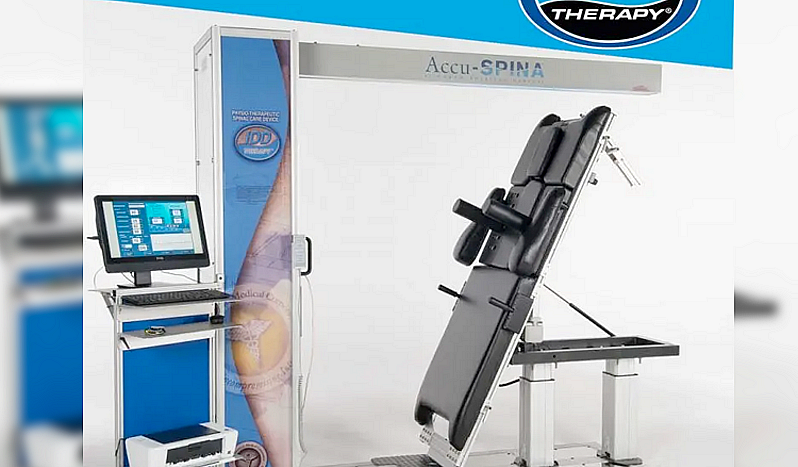
At Cleveland Disc Centers of America, Dr. Roger Huang offers a proven, non-surgical solution to post-surgical pain: AccuSpina spinal decompression therapy. This gentle, technology-driven treatment helps restore spinal balance, relieve nerve pressure, and promote natural healing—even in patients who have undergone prior surgery.
Understanding Failed Back Surgery Syndrome (FBSS)
Failed Back Surgery Syndrome refers to chronic pain that continues after spinal surgery. It’s not necessarily that the surgery “failed”—in many cases, it simply didn’t address the real underlying issue, or the spine continued to degenerate after the operation.
Common causes of FBSS include:
- Scar tissue formation around spinal nerves
- Residual or recurrent disc herniation
- Adjacent segment disease (wear and tear near a fusion site)
- Nerve damage or persistent inflammation
- Incomplete decompression during surgery
- Changes in spinal alignment post-operation
Regardless of the cause, the result is often the same—continued pain, stiffness, and reduced mobility. But that doesn’t mean recovery isn’t possible.
Why Surgery Doesn’t Always Fix the Problem
While spinal surgery can be necessary in some cases, it’s important to understand its limitations. Surgery typically focuses on structural correction—removing bone spurs, fusing vertebrae, or trimming herniated disc tissue. What it doesn’t always do is restore disc function, hydration, and motion—key factors in long-term spinal health.
When the spine can’t move or absorb shock properly, the surrounding joints and discs take on extra stress. Over time, this can lead to new compression points, especially near the surgical site. That’s why many Cleveland patients who underwent fusion or laminectomy still experience nerve-related pain afterward.
How Spinal Decompression Helps After Surgery
Spinal decompression therapy is designed to do what surgery often can’t: relieve pressure on the discs and nerves gently and naturally. Using the AccuSpina decompression system, Dr. Huang performs precise, computer-controlled traction that creates negative pressure within the spinal discs.
This process allows:
- Decompression of affected nerves: Relieves pain caused by lingering compression or scar tissue irritation.
- Improved disc hydration: Encourages oxygen and nutrient flow to help damaged discs heal and rehydrate.
- Restored spinal mobility: Helps reduce stiffness and improve range of motion after surgery.
- Reduced inflammation: Gentle traction promotes circulation and decreases pressure on sensitive areas.
Even if part of your spine has been fused or surgically altered, decompression can often target nearby levels that remain flexible—helping restore balance to the entire spinal column.
Is Decompression Safe After Back Surgery?
Yes. The AccuSpina system is FDA-cleared and specifically designed to deliver precise, low-force traction that’s safe for post-surgical patients. Before starting treatment, Dr. Huang reviews your imaging, surgical history, and current symptoms to determine if decompression is appropriate for your spine.
Because decompression is non-invasive and drug-free, it carries none of the risks associated with repeat surgeries or long-term medication use. For Cleveland patients seeking relief without more operations, it’s often the missing piece of the recovery puzzle.
Real Results for Real People
Many of Dr. Huang’s patients come to Cleveland Disc Centers of America after being told there was nothing left to try. They’ve lived with pain for years, tried injections and therapy, and fear that another surgery might make things worse. Once they begin decompression therapy, however, that sense of hope returns.
Patients frequently report:
- Noticeable reduction in pain within the first few weeks
- Improved sleep and daily mobility
- Decreased reliance on pain medication
- Enhanced flexibility and posture
- A sense of relief that recovery is still possible
It’s not uncommon for post-surgical patients to say decompression gave them the results they were hoping for all along—just without another trip to the operating room.
Why AccuSpina Decompression Stands Out
The AccuSpina system used at Cleveland Disc Centers of America is one of the most advanced decompression technologies available today. Its real-time sensor feedback ensures that traction is delivered evenly and safely, adapting to the patient’s natural resistance. This precision allows Dr. Huang to treat even complex cases with comfort and accuracy.
Each decompression session lasts about 30 minutes, and there’s no recovery time needed afterward. Most patients describe the process as relaxing, often noticing gradual but consistent improvement after each visit.
The Cleveland Connection: Local Patients, Real Hope
Across Cleveland and Northeast Ohio, people who once believed their pain was permanent are now living fuller, more active lives thanks to decompression therapy. From former athletes recovering from surgical scars to workers still feeling pain years after a fusion, the outcomes speak for themselves.
One Cleveland patient shared, “After surgery, I thought the pain would never end. Decompression finally gave me the relief I’d been chasing for years.”
These are the results that continue to make decompression one of the most trusted non-surgical solutions for post-surgical back pain in the region.
Combining Decompression with Post-Surgical Care
For many patients, decompression works best when paired with supportive therapies that strengthen the spine and improve mobility. Dr. Huang may recommend complementary treatments such as gentle stretching, posture correction, or soft tissue work to enhance and maintain your results.
Because every patient’s spine and surgical history are unique, care plans are always customized to ensure the safest and most effective recovery possible.
It’s Not Too Late to Heal
If you’re still living with pain after back surgery, don’t give up hope. The body has an incredible capacity to heal when given the right conditions—and spinal decompression helps create those conditions. Whether your pain is from nerve compression, scar tissue, or mechanical imbalance, there’s a natural path forward.
Schedule your consultation today at Cleveland Disc Centers of America to find out if decompression therapy can help you finally get lasting relief after failed back surgery.
For more educational articles, patient stories, and recovery insights, visit our blog.
‹ Back





 2794 Som Center Road